Understanding DTF Printing Technology
In the rapidly evolving landscape of textile printing, Direct-to-Film (DTF) printing has emerged as a transformative technology, offering innovative solutions for both businesses and individual creators. This method utilizes a special film that is printed with vibrant inks and then transferred onto fabric, producing high-quality images with incredible detail. With a surge in popularity among small businesses and large-scale manufacturers alike, understanding how DTF printing works and its unique advantages can significantly impact your printing endeavors. Whether you're looking to start a custom T-shirt business or expand your existing capabilities, familiarizing yourself with imprimante dtf france might be your first step towards success.
What is DTF Printing?
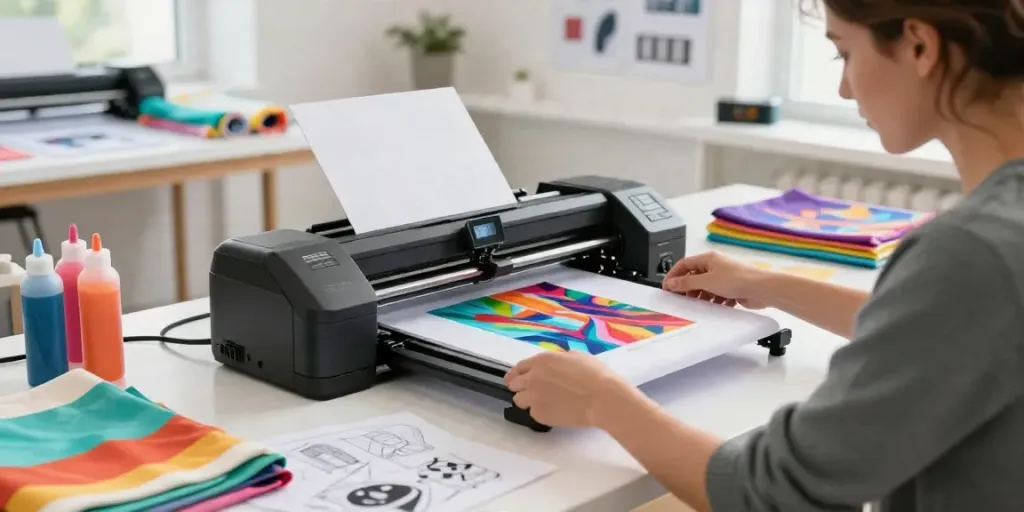
DTF printing is a cutting-edge method that allows for the direct transfer of images and designs onto various fabric types. This is achieved by printing on a specially coated PET film with water-based inks. After printing, a hot-melt adhesive powder is applied to the ink while it's still wet, creating a bond that, once heated, adheres the design to the fabric. The versatility of DTF printing makes it suitable for a wide range of materials, including cotton, polyester, blends, and even specialty fabrics like nylon and spandex.
Key Features of DTF Printers
DTF printers come equipped with several key features that enhance their functionality:
- High Color Fidelity: DTF printers achieve vibrant, high-resolution images, thanks to advanced ink formulations and precise printing capabilities.
- Wide Fabric Compatibility: Unlike traditional printing methods, DTF printing can be applied to a diverse array of fabric types, broadening your design possibilities.
- Quick Setup: Setting up a DTF printer is often simpler than other methods, allowing businesses to quickly adapt to changing design needs.
- Durability: Prints produced via DTF technology are known for their long-lasting quality, resisting fading and cracking over time.
How DTF Differs from Other Printing Methods
DTF printing stands out from more conventional printing methods such as Direct-to-Garment (DTG) and screen printing. While DTG relies on direct ink application to the garment, DTF allows for printing on a film, which can then be stored and used later. This aspect provides an advantage in terms of inventory management, as businesses can print designs in advance. Moreover, DTF prints tend to adhere better to fabrics with a smooth surface, making it a viable option for a wide range of products.
Advantages of Using DTF Printers
Versatility Across Various Fabrics
One of the most significant advantages of DTF printing is its ability to work with a diverse range of fabrics. From natural fibers like cotton to synthetic blends and even specialized textiles, DTF printers can produce stunning results. This versatility means that businesses can cater to a broader market, fulfilling orders for T-shirts, tote bags, and specialized apparel with ease.
Cost-Effectiveness for Businesses
In comparison to other printing technologies, DTF printing offers a more affordable entry point for small businesses. The cost of materials, including ink and film, is generally lower than that of DTG printing, making it easier for startups to manage their budgets. Additionally, the ability to print on demand reduces waste and ensures that businesses can scale their production without a significant upfront investment.
High-Quality Output and Durability
DTF printing doesn't compromise on quality. It produces vibrant colors and intricate designs that can withstand the rigors of everyday wear. The prints are soft to the touch and maintain their integrity through multiple washes, making them perfect for fashion and promotional products alike.
Choosing the Right DTF Printer
Factors to Consider When Buying
When investing in a DTF printer, several factors should be taken into account:
- Printer Size: Determine the scale of your operations to choose a printer that fits your needs, from desktop models for small shops to larger machines for high-volume production.
- Print Speed: Evaluate how quickly the printer operates, as this can significantly impact your turnaround times.
- Maintenance Requirements: Consider printers that are easy to maintain and have readily available parts for repairs.
- Software Compatibility: Ensure the printer is compatible with your existing design software for seamless integration.
Top Brands of DTF Printers in France
Several brands have established their presence in the DTF market in France, known for their quality and reliability:
- Procolored: Known for its innovative technology and performance stability, Procolored offers a variety of models suitable for different business sizes.
- Epson: A trusted name in printing, Epson provides high-quality DTF printers that deliver excellent results.
- DTF France: Specializes in DTF technologies and offers comprehensive support and consumables for DTF printing.
Comparison of DTF vs. DTG Printing Options
While both DTF and DTG methods serve the purpose of printing directly onto fabric, there are distinct differences:
- Production Speed: DTF printers tend to be faster for bulk orders, while DTG is optimal for smaller runs or one-off designs.
- Material Flexibility: DTF excels in working with various fabrics, including those unsuitable for DTG.
- Initial Costs: DTF printers are generally more cost-effective for entry into the market.
Tips for Optimal DTF Printing
Best Practices for Preparation and Setup
Achieving the best results with DTF printing involves adhering to best practices:
- Pre-Printing Checks: Ensure the printer settings align with the media you are using and perform regular maintenance checks.
- Use High-Quality Films: Opt for reputable brands of PET film to ensure optimal transfer quality.
- Temperature Settings: Properly calibrate heat settings according to the fabric type to enhance adhesion and durability.
Maintenance Tips for Longevity
To prolong the life of your DTF printer, regular maintenance is essential:
- Clean Print Heads: Perform routine cleanings to prevent clogs and ensure consistent print quality.
- Check Ink Levels: Regularly monitor ink levels to avoid running out during production.
- Store Properly: Keep spare parts and consumables in optimal conditions to prevent degradation.
Troubleshooting Common Issues
Even with the best practices in place, you may encounter issues:
- Inconsistent Print Quality: Check for ink clogs, adjust print settings, or ensure the film is properly adhered.
- Peeling Transfers: Ensure proper heating and pressure during application.
- Faded Prints: This might indicate low-quality inks or incorrect printer settings.
Future Trends in DTF Printing Technology
Emerging Innovations for 2026 and Beyond
The DTF printing industry is expected to witness significant advancements in the coming years. Innovations such as eco-friendly inks and improved automation technology aim to enhance efficiency and reduce environmental impact. With increasing demand for personalized and diverse textile products, manufacturers are likely to invest in R&D to expand capabilities further.
Expanding Applications in Fashion and Textiles
DTF technology's versatility allows for an array of applications that go beyond T-shirts. Expect to see a growing market for custom sneakers, sportswear, bags, and even home textiles like curtains and cushion covers. As customization becomes a key consumer trend, DTF printing will play a crucial role in meeting these demands.
Predictions for Market Growth and Opportunities
The DTF printing market is projected to grow significantly, driven by increased consumer interest in personalized products and sustainable practices. As technology advances and becomes more affordable, more businesses are expected to adopt DTF printing, creating new opportunities for entrepreneurs, designers, and established companies alike.
What is the average price of a DTF printer?
The price of DTF printers varies widely depending on the brand, size, and features. Generally, entry-level printers start around €1,000, while professional-grade models can reach upwards of €5,000 or more.
Where can I buy DTF printers in France?
DTF printers can be purchased from various retailers online, including specialized printing supply companies and platforms like Amazon. For dedicated service and support, consider reputable brands like Procolored, which offer tailored solutions for your needs.
What materials can be printed with DTF technology?
DTF technology is compatible with a vast array of fabrics, including cotton, polyester, nylon, spandex, and blends. This flexibility makes it a preferred choice for various applications across the fashion industry.
How does DTF printing compare to traditional screen printing?
DTF printing offers several advantages over screen printing, including shorter setup times, less waste, and the ability to print intricate designs. Additionally, DTF can print on a wider array of materials, making it more versatile than traditional methods.
Are DTF printers suitable for small businesses?
Absolutely! DTF printers are an excellent choice for small businesses, offering cost-effective solutions with high-quality outputs. Their flexibility and ease of use empower entrepreneurs to produce customized products quickly and efficiently.