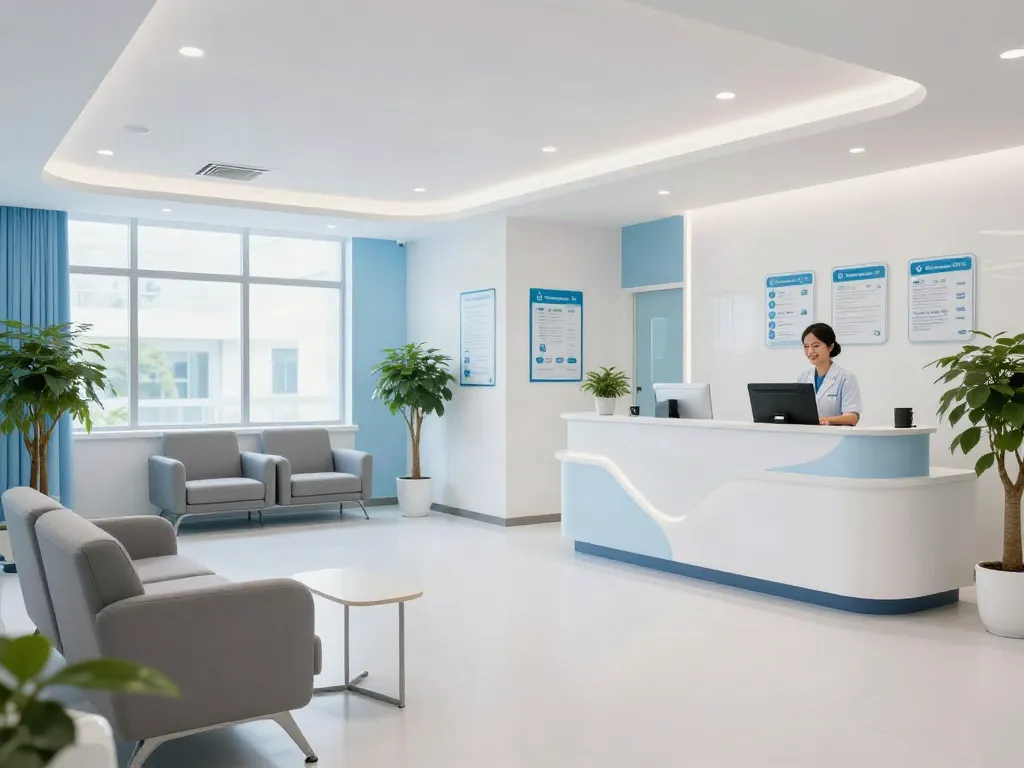
The Role of Situs Slot in Patient Care Services
In the rapidly evolving landscape of healthcare, ensuring effective and compassionate patient care is paramount. Digital platforms, particularly those designed for patient engagement and care management, are crucial as they enable better communication between patients and healthcare providers. For example, when exploring options, situs slot provides comprehensive insights, connecting patients with resources and enhancing their overall healthcare experience. This guide will delve into how technological advancements are shaping patient care and the integral role of such platforms.
Defining Patient Care in the Digital Age
Patient care today extends beyond traditional clinical settings. With the advent of digital health solutions, care has become more integrated and patient-centered. Definitions of patient care now encompass accessibility, patient engagement, and the use of technology to facilitate informed decisions. Evidence-based medicine plays a pivotal role in ensuring that patients receive the correct diagnosis and treatment tailored to their individual needs.
How Situs Slot Can Enhance Accessibility
Accessibility is a cornerstone of effective patient care. Platforms like Situs Slot enable patients to connect with healthcare providers without the barriers of distance or time. This flexibility means that patients can access consultations, follow-up appointments, and educational resources quickly and efficiently, ensuring that care is continuous and comprehensive. By removing physical barriers, these platforms are vital in serving diverse populations and promoting health equity.
Innovative Healthcare Solutions for 2026
As we approach 2026, the healthcare landscape is set to undergo significant transformations driven by technology. Innovations are not only improving patient experience but also enhancing outcomes and operational efficiencies across healthcare systems. Understanding these changes will better equip patients and providers to navigate the future of healthcare effectively.
Telemedicine: The Future of Medical Consultations
Telemedicine has experienced exponential growth, especially following global health crises. It refers to the provision of healthcare services remotely, allowing patients to consult healthcare professionals via video calls, phone calls, or online messaging. This method offers convenience, reduces wait times, and can lead to better adherence to treatment protocols. Assuming effective communication, telemedicine can significantly enhance patient satisfaction and health outcomes, particularly for chronic disease management.
Personalized Care Plans Leveraging Data
Data-driven personalized care plans are revolutionizing how treatment is approached. Using comprehensive data analytics, healthcare providers can create customized treatment plans that consider individual patient histories, preferences, and health goals. For instance, wearable technologies that monitor vital signs can contribute real-time data, enabling healthcare professionals to adjust treatment plans proactively, which can lead to improved health outcomes and patient engagement.
The Rise of Online Health Platforms
Online health platforms encompass a variety of services, from symptom checkers to appointment scheduling. These platforms empower patients with tools that help improve their health literacy. Additionally, they provide critical information on medications and treatment options, fostering a more informed patient population. The integration of educational resources into these platforms allows patients to take an active role in their healthcare, often leading to improved adherence to medical advice and better health outcomes.
Integrating Technology in Healthcare Delivery
The integration of technology in healthcare delivery systems is crucial for enhancing the quality of care provided to patients. It not only streamlines processes but also ensures better communication, tracking, and management of health data—key components for optimal patient outcomes.
Mobile Health Apps: Empowering Patients
Mobile health apps have emerged as powerful tools in patient care, allowing individuals to track their health metrics, medication adherence, and even mental wellness. Many of these applications include features such as reminders for medication, educational materials, and access to telehealth services, enabling patients to stay engaged in their health management actively.
Electronic Health Records: Improving Patient Outcomes
Electronic health records (EHRs) provide a comprehensive view of a patient's health history, facilitating better care coordination among healthcare providers. With EHRs, important information is readily available, reducing errors and improving the efficiency of treatment. Effective EHR systems enhance communication between multidisciplinary teams, essential for integrated patient care approaches.
Virtual Health Coaching
Virtual health coaching represents an innovative approach to supportive care. Coaches can guide patients through lifestyle changes, such as diet and exercise regimes, aimed at improving their overall health. Utilizing technology, health coaches can deliver personalized support and resources, fostering a collaborative relationship that encourages sustained health improvements.
Patient Rights and Advocacy in 2026
Understanding patient rights and advocacy is crucial as healthcare becomes increasingly digitalized. Patients must be informed advocates for their health, fully aware of their rights regarding data privacy, informed consent, and access to their health information.
Understanding Patients' Rights in Digital Health
As healthcare moves online, patients have the right to access their health information and expect transparency in how their data is used. Regulations such as HIPAA provide frameworks for protecting patient privacy and ensuring their rights are upheld even in digital spaces. Patients should be empowered to understand these rights and utilize resources to advocate for themselves effectively.
Advocacy Groups Leading the Charge
Numerous advocacy groups play critical roles in promoting patient rights, accessibility, and health equity. They work tirelessly to ensure that all patients have a voice in their healthcare journey, influencing policy changes and raising awareness about critical health issues. These groups often provide educational materials and support systems to help patients navigate their healthcare options effectively.
The Importance of Patient Feedback and Involvement
Patient feedback is essential for improving healthcare quality. Engaging patients in their healthcare experiences fosters a culture of ongoing improvement. Many healthcare organizations are implementing systems for gathering patient feedback to assess and refine services continually. This two-way communication strengthens relationships between patients and providers and contributes to higher standards of care.
Developing Comprehensive Health Strategies
To promote overall health and well-being, it is essential to develop comprehensive health strategies that include preventive care, chronic disease management, and a focus on lifestyle medicine. These strategies aim to empower patients and provide them with the knowledge and resources necessary to lead healthier lives.
Preventive Health Screenings and Wellness Checkups
Preventive health screenings are vital for early detection of diseases and monitoring health status. Guidelines recommend routine checkups and screenings based on age, gender, and health history to identify potential health issues before they become severe. Accessibility to these services ensures that healthcare can transition from reactive to proactive, improving long-term health outcomes.
Chronic Disease Management Techniques
Chronic disease management involves coordinated efforts to help patients manage long-term conditions effectively. Techniques include regular monitoring, lifestyle modifications, and education about self-management strategies. By providing patients with the tools and support necessary to manage their conditions independently, healthcare providers can enhance quality of life and reduce the incidence of complications.
Nutrition and Lifestyle Medicine Approaches
Nutrition plays a crucial role in health and disease prevention. Lifestyle medicine emphasizes the importance of diet, exercise, and stress management in preventing and managing chronic conditions. Healthcare providers should actively engage patients in discussions about lifestyle changes, offering tailored advice and resources to promote healthier living.
FAQs
What are the advantages of using digital health platforms?
Digital health platforms enhance patient engagement, provide immediate access to health resources, and facilitate effective communication with healthcare providers. They can improve overall healthcare experiences and outcomes by empowering patients to manage their health proactively.
How does technology impact patient care?
Technology improves patient care by streamlining processes, enhancing communication, and providing tools for better self-management of health conditions. It allows healthcare providers to offer more tailored and efficient services and promotes better patient outcomes.
What should I expect during a telemedicine session?
During a telemedicine session, you can expect a virtual consultation with your healthcare provider, where you will discuss your health concerns. Prepare to share your medical history and any relevant information to help your provider deliver the best care possible. Typically, the session lasts about the same time as an in-person visit and may include a physical examination through guided observation.